

%202.webp)
Industrial Virtual Worlds for Live 3D Collaboration
Bring live engineering data into shared, persistent 3D environments for design reviews, validation, and decisions across desktop, mobile, and XR.

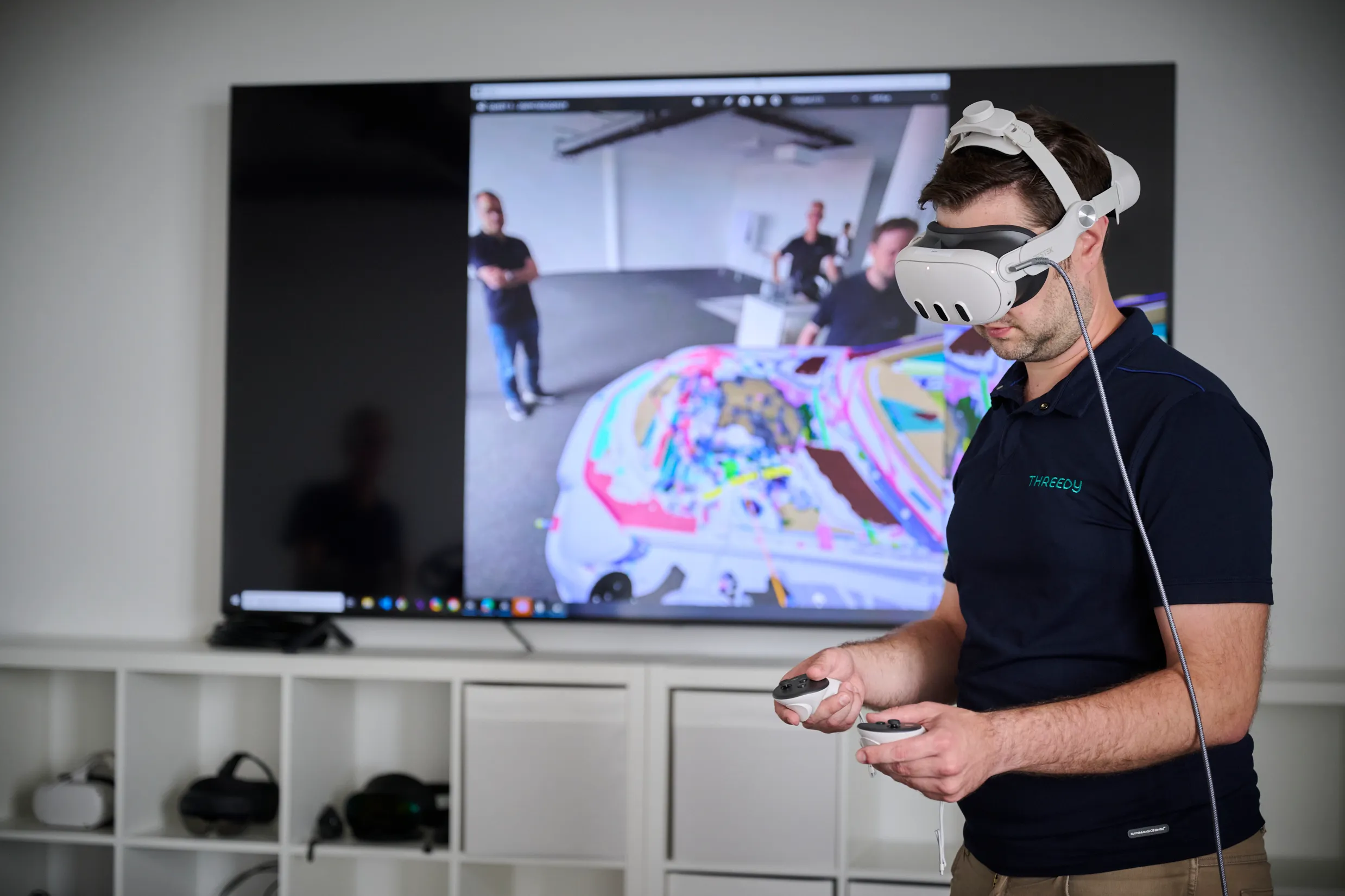
What Is an Industrial Virtual World?
Virtual worlds are persistent, 3D environments where users interact in real time. These immersive spaces enable teams to collaborate, explore, and work together beyond traditional screens.
- Persistent, always-on 3D environments
- Real-time interaction across distributed
- Accessible on any device
Why Traditional 3D Workflows Fall Short
.png)

Why Virtual Worlds Matter
Enable Industrial Virtual Worlds with instant3Dhub
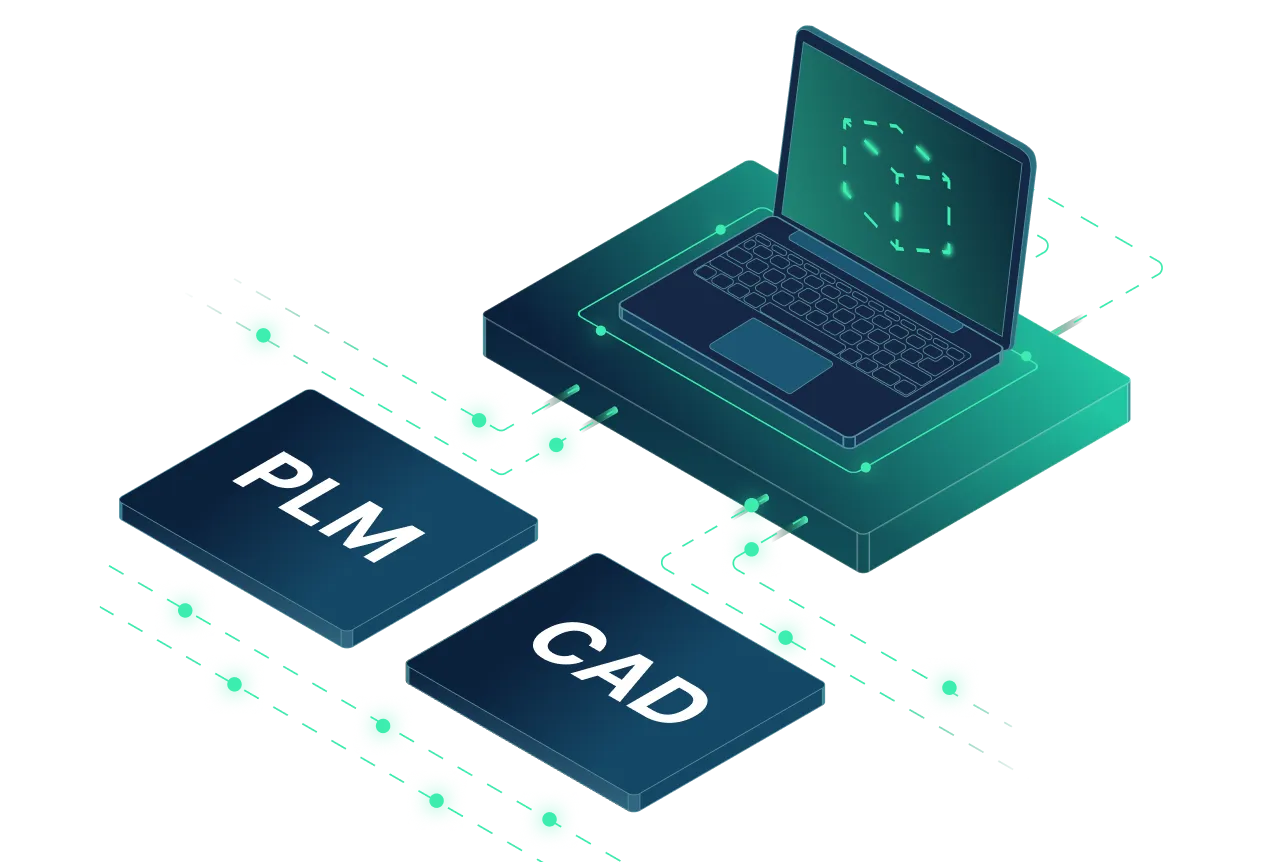
instant3Dhub connects live engineering data to persistent 3D environments, streamed directly from your PLM and CAD systems, consistent across every device and every session.
- Persistent 3D spaces streamed from source data
- Works across desktop, mobile, and XR
- Real-time interaction with original-fidelity 3D data
Built for Emerging Virtual World Standards
We help shape the open standards for interoperable virtual worlds , so industrial use cases are built in from the start, not bolted on later.


Who Benefits from Virtual Worlds?
(design reviews)
(AR-supported workflows)
What You Can Do in an Industrial Virtual World
Persistent 3D spaces that turn complex industrial data into something teams can review, validate, and act on together.
Work with complex
3D data in full context
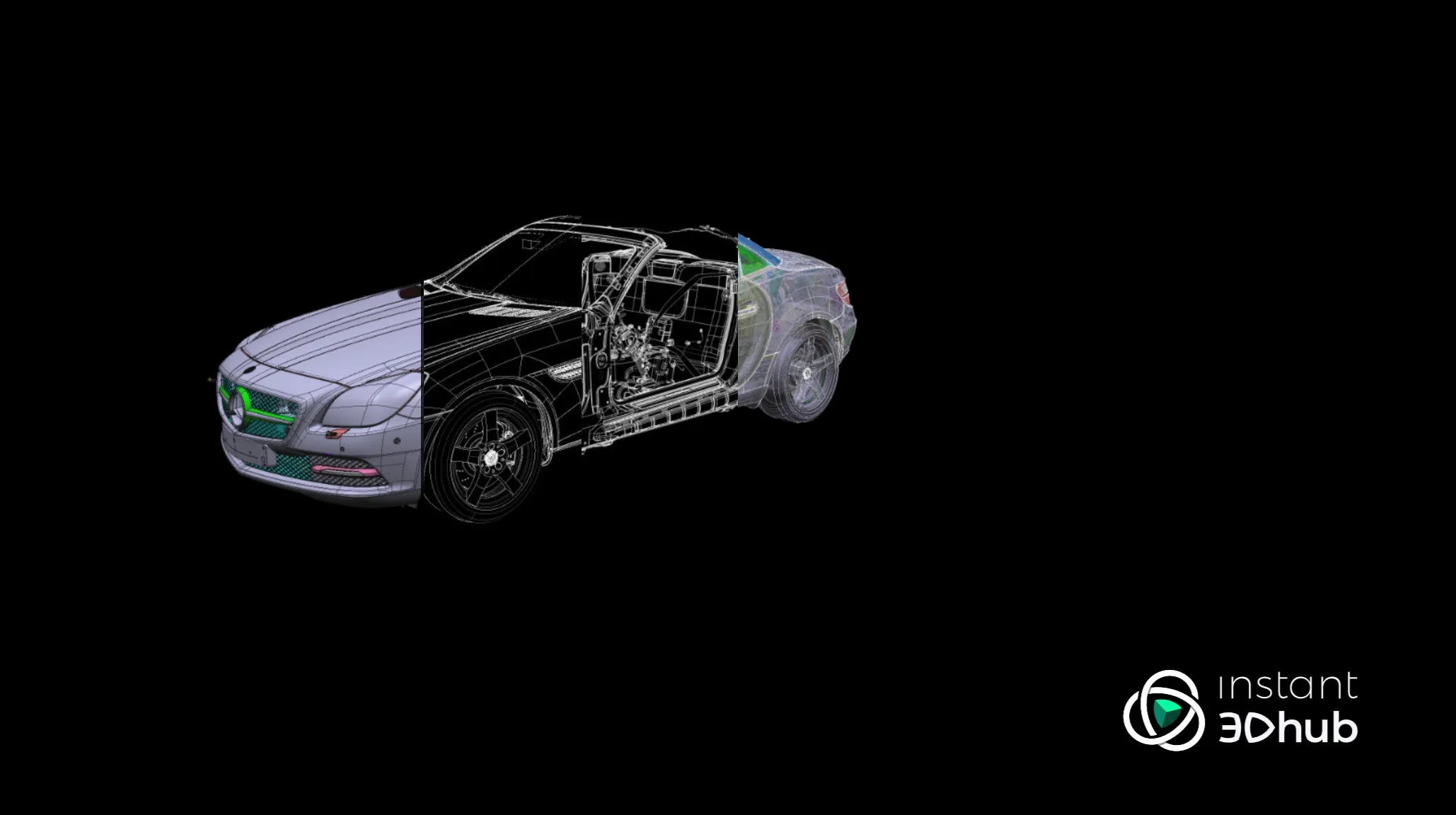
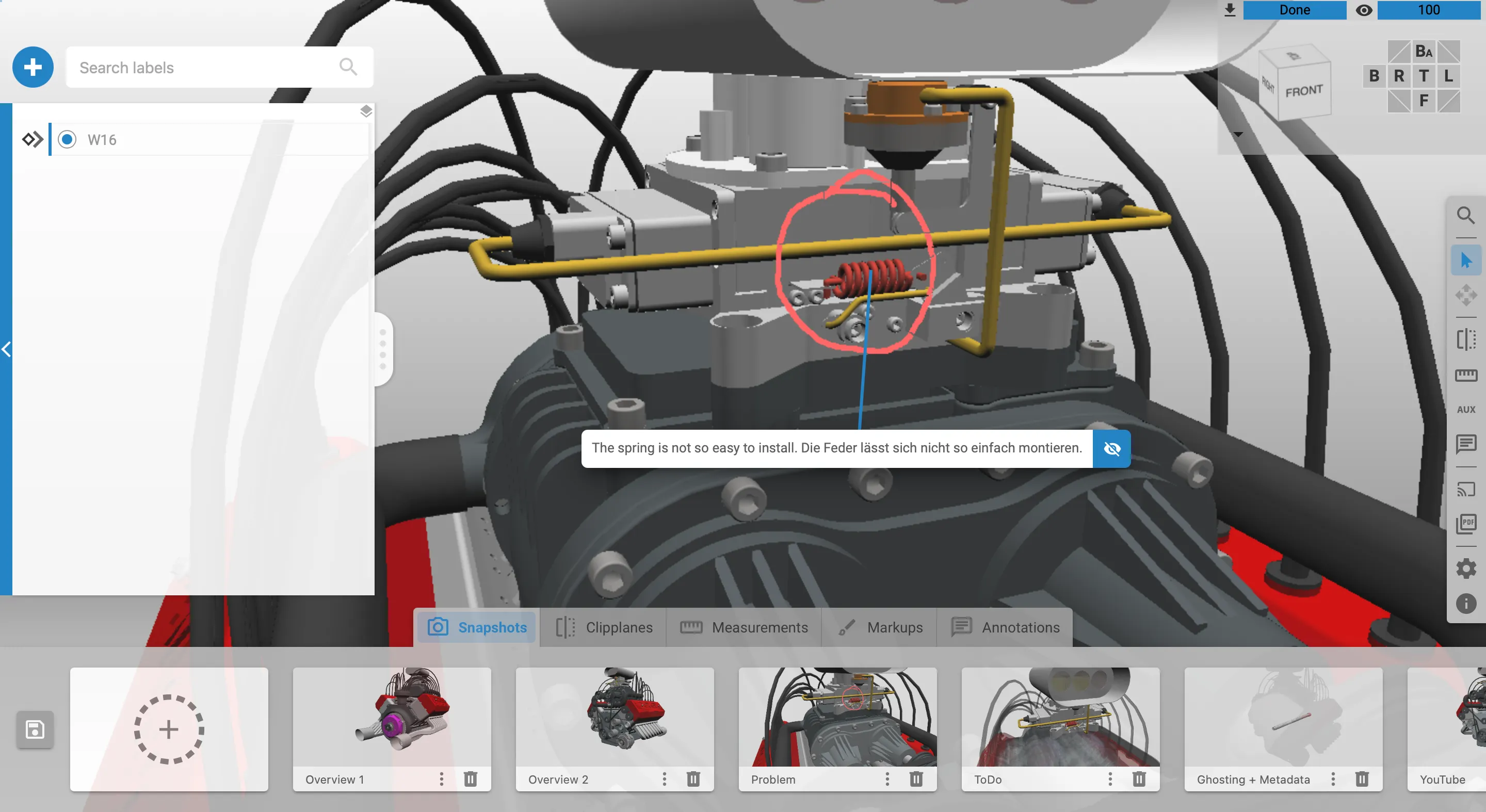
Some things can't be judged on a flat 2D screen. Working with deeply nested assemblies in true 3D makes design reviews and assembly/disassembly workflows far easier to understand, and far harder to get wrong.
Collaborate in persistent shared spaces
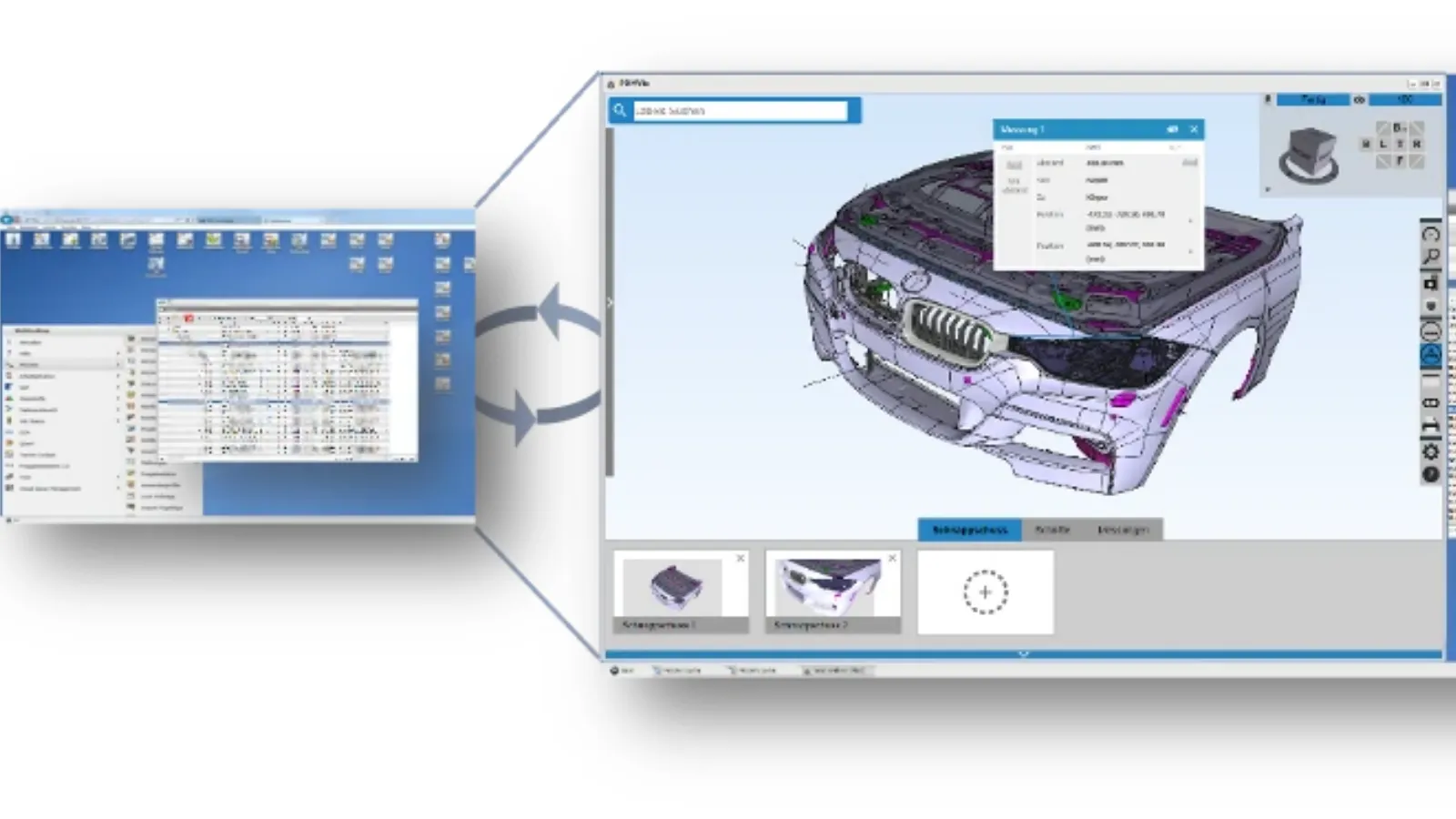
These spaces are persistent, they hold their state between sessions. That makes them a reliable home for collaboration that unfolds over time, keeping teams aligned across the entire value chain.
Work across any device
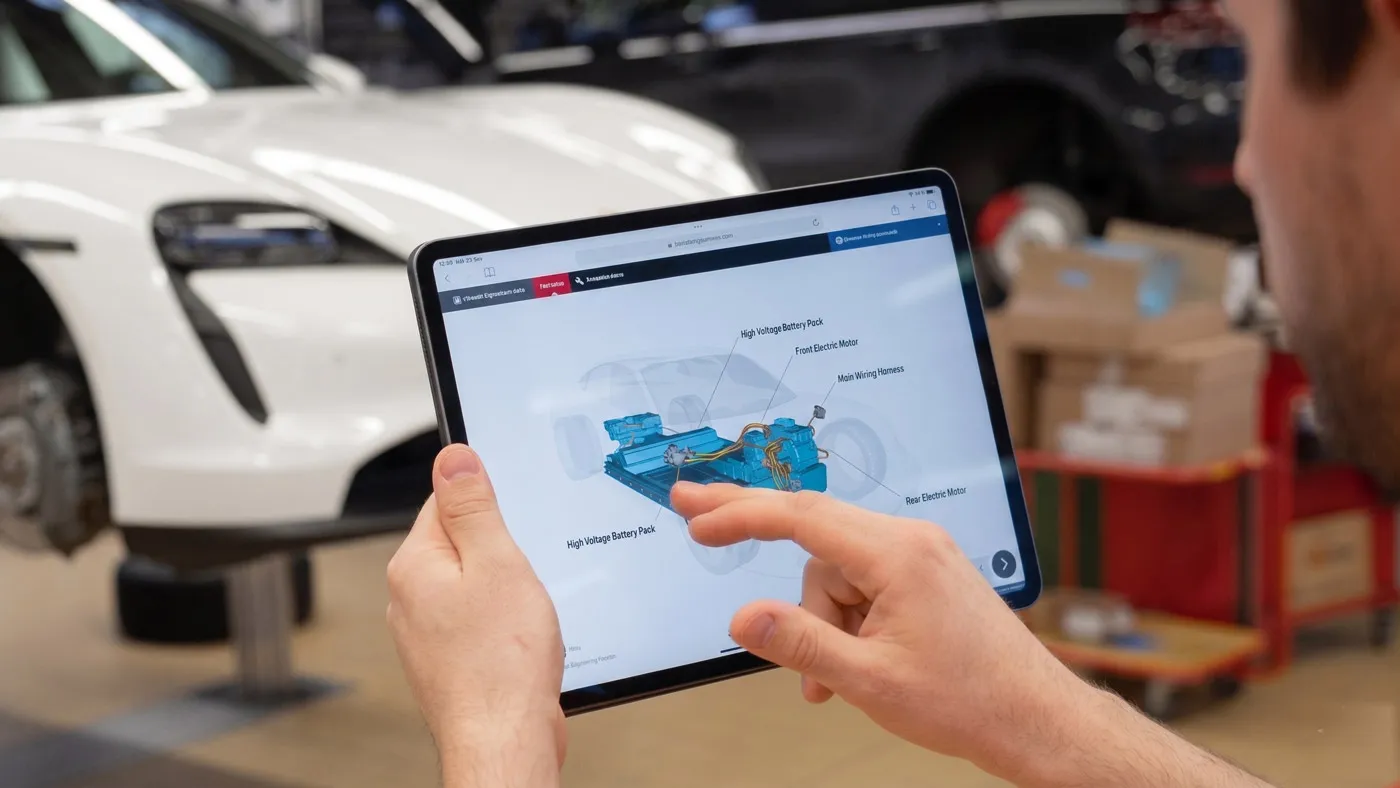
The same persistent 3D space runs on desktop, mobile, and XR headsets. Teams move between devices as the task demands from the office to the shop floor without losing continuity.
From design review to sales and service
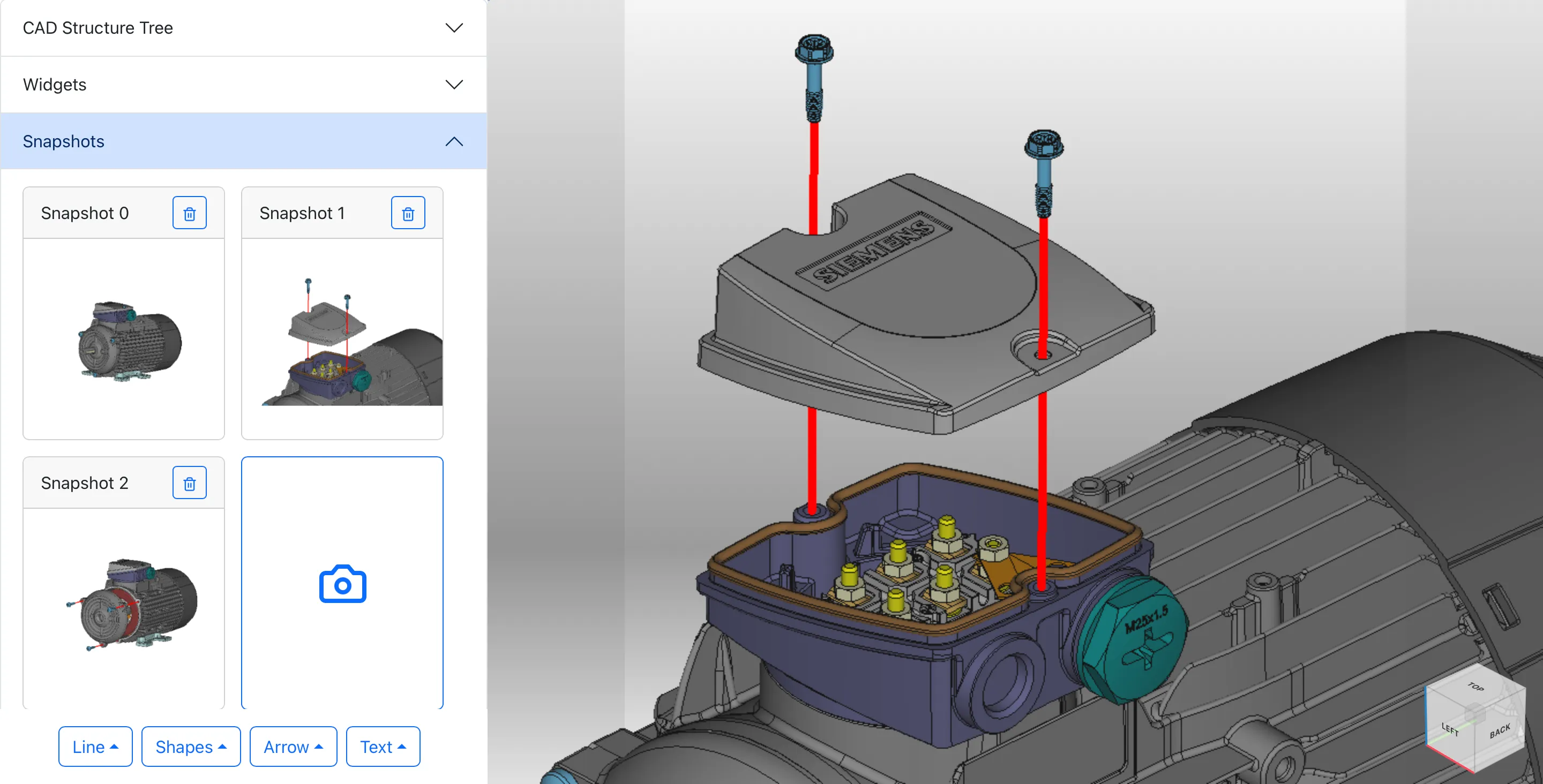
The highest-impact use cases span the value chain: design reviews in engineering, interactive configuration in sales, and AR-guided workflows in service. One persistent 3D space serves all three, cutting time, cost, and errors across every stage.

What You Can Do in Virtual Worlds
- Work with complex 3D data in full spatial context
- Collaborate in real time across teams and locations
- Validate assembly and disassembly workflows
- Run persistent environments for processes that span days, not minutes
Talk to an Expert About Industrial Virtual Worlds


Frequently Asked Questions
What is a virtual world in an industrial context?
An industrial virtual world is a persistent 3D environment where teams work with live engineering data in real time. Instead of exchanging files or screenshots, everyone reviews the same up-to-date models, runs design and validation workflows together, and makes decisions from a single shared source. The environment stays available between sessions, so work continues over the course of a project rather than resetting each time someone joins.
How is this different from traditional 3D tools?
Traditional 3D tools were built for one user, on a flat screen, working through a single file at a time. An industrial virtual world is built for teams. It streams original CAD and PLM data into a shared space where several people can explore, annotate, and validate the same model at once, on whatever device fits the task. The result is faster alignment and fewer errors than passing static files back and forth.
Do users need special hardware?
No. instant3Dhub streams 3D data to standard devices, so the same persistent space runs on desktops, laptops, tablets, and XR headsets without local GPUs or heavy client installs. Even very large assemblies stay usable on lightweight hardware, which means teams can join from the office, the shop floor, or on the move using equipment they already have.
What use cases benefit the most?
The strongest impact comes from use cases that span the value chain: collaborative design reviews in engineering, interactive configuration and presentations in sales, and AR guided workflows in service. Because a single persistent environment supports all three, teams cut time, cost, and errors across the full process instead of solving each stage in isolation.
How does instant3Dhub support virtual worlds?
instant3Dhub provides the streaming and data layer that makes industrial virtual worlds possible. It connects live to your existing PLM, PDM, and CAD systems, streams original fidelity 3D data on demand, and keeps every session consistent across devices. There is no data duplication and no file export, so your source systems stay the single source of truth while the 3D data becomes usable in real time wherever it is needed.