

%202.webp)
Secure Cross-Company Collaboration with
Industrial Data Spaces
Enable trusted, real-time access to 3D data across teams, partners, and systems without losing control of your data.

What is a Data Space?
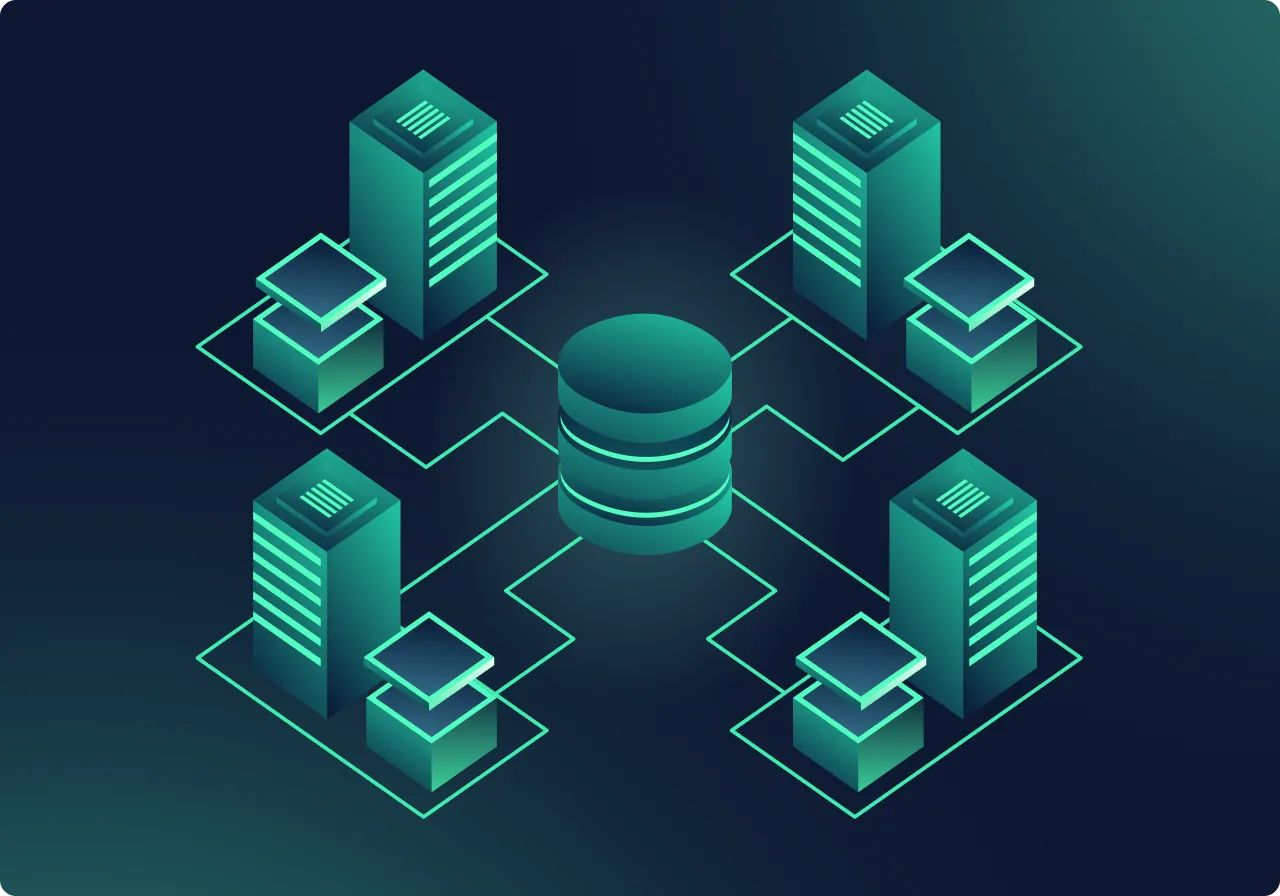
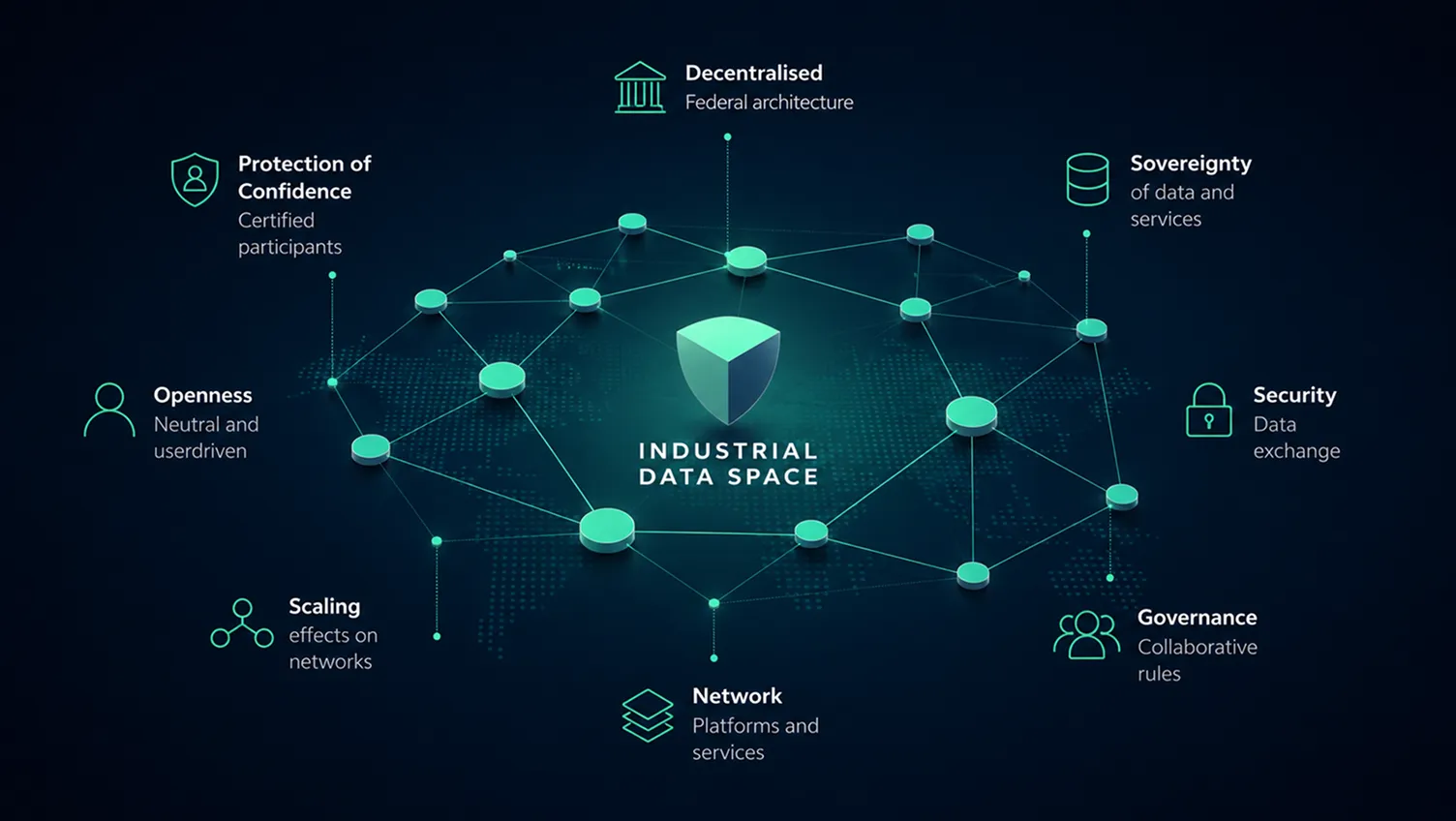
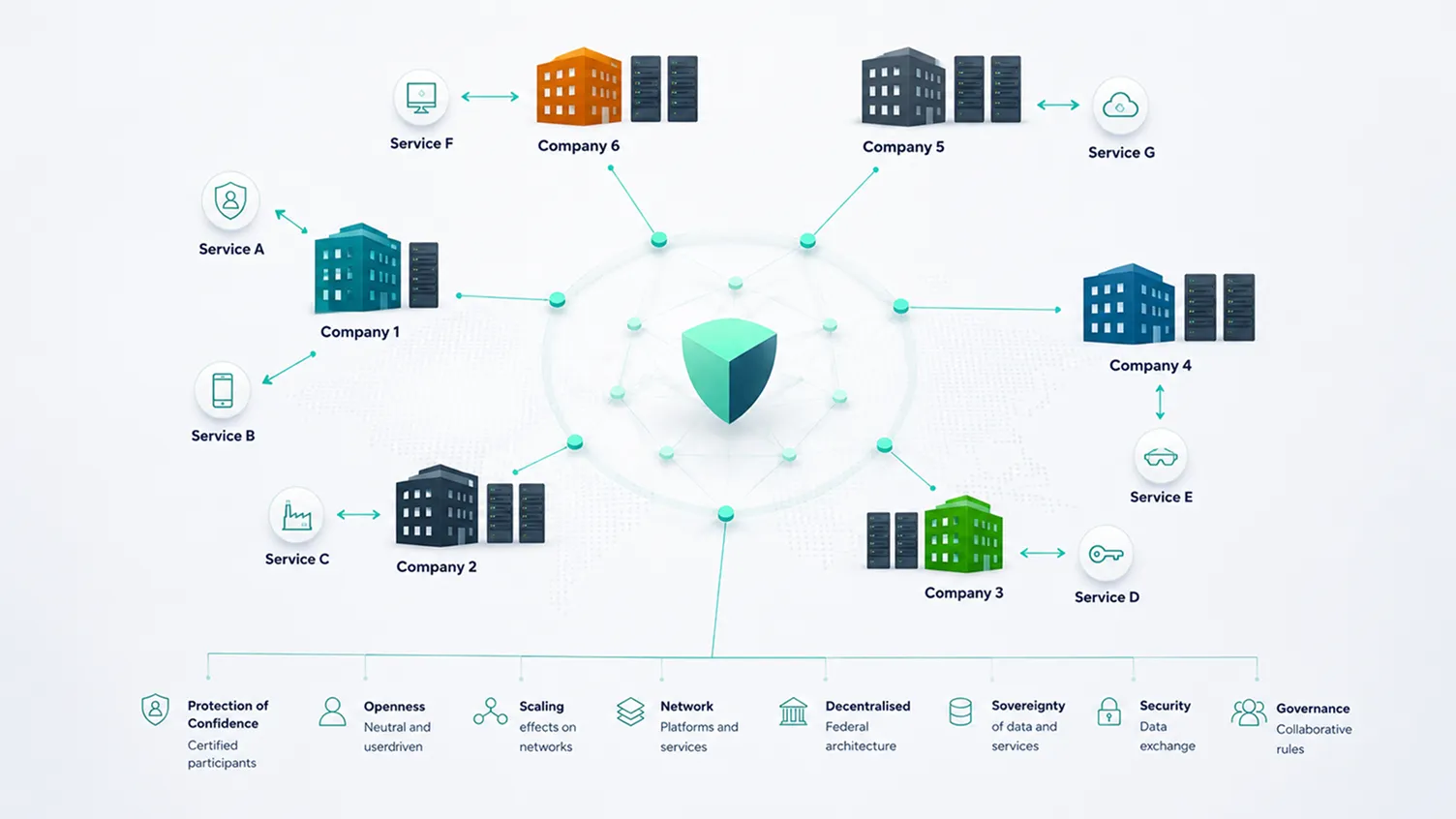
An industrial data space is a decentralized framework that lets multiple organizations share and access data without giving up ownership or control. Instead of transferring or duplicating files, each participant keeps data in its own system and grants secure, governed access to others. Built on open standards like Catena-X, Gaia-X, and International Data Spaces, this model keeps collaboration consistent and interoperable across company boundaries.
- No need to move or duplicate data
- Controlled access across organizations
- Interoperable across systems, partners, and standards
Why Traditional Data Sharing Doesn't Scale
.png)

Why Industrial Data Spaces Matter
Enable Data Spaces
with instant3Dhub
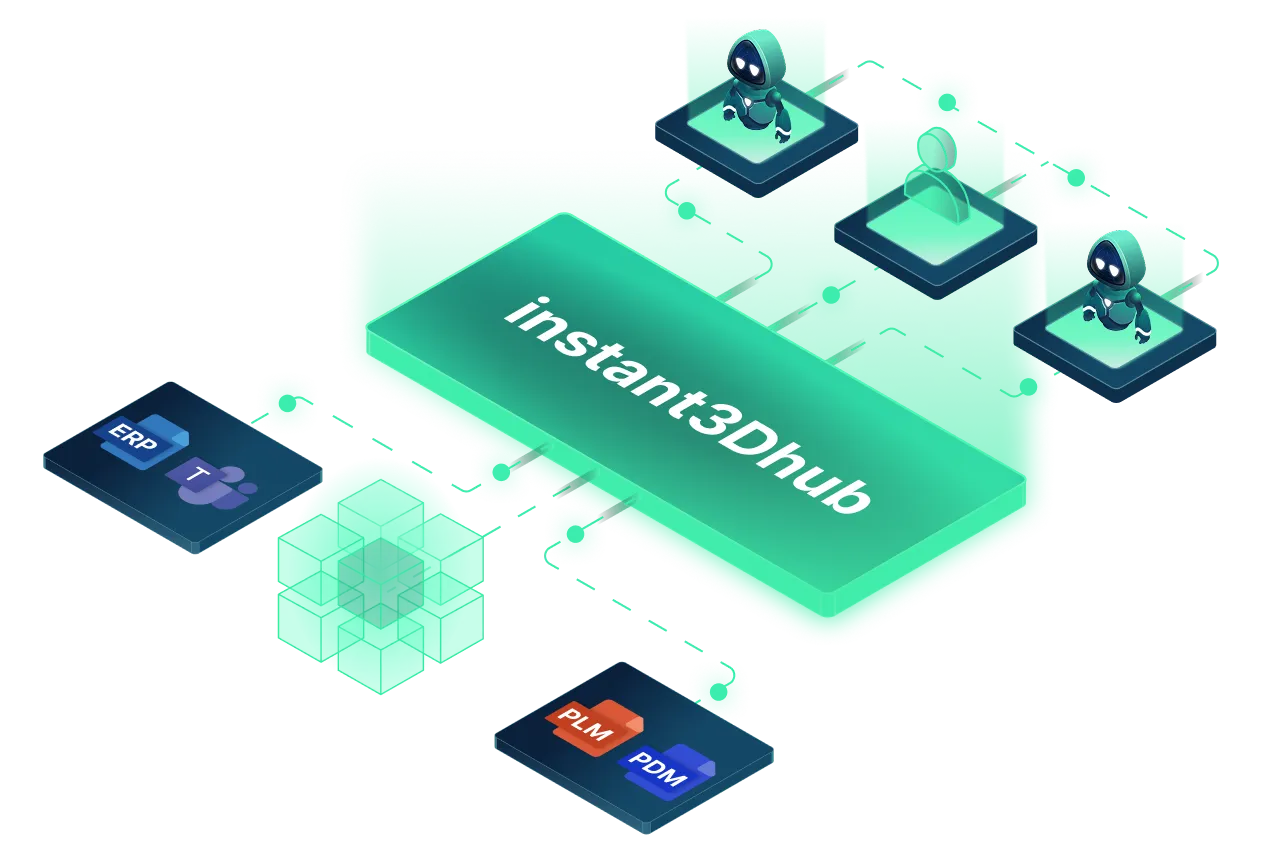
instant3Dhub is the connection layer for 3D data in a data space. It links directly to 3D and CAD data wherever it lives, so partners access the same model in real time without duplication or heavy CAD installs. It fits decentralized architectures and integrates with industrial data space initiatives and standards.
- Direct linking to 3D data (no file duplication)
- Compatible with decentralized architectures
- Supports secure cross-company collaboration
Built for Industrial Data Space Ecosystems
instant3Dhub aligns with leading data space initiatives and helps shape industry standards. Threedy is a Catena-X member and a contributor to the 2025 Geometry KIT standard, which defines how 3D geometry is exchanged within industrial data spaces.





Who Benefits from Data Spaces?
teams
partners
teams
architects
How instant3Dhub powers Industrial Data Spaces
A closer look at what teams can do once their 3D data lives in a shared, governed space.
Access 3D data without moving it
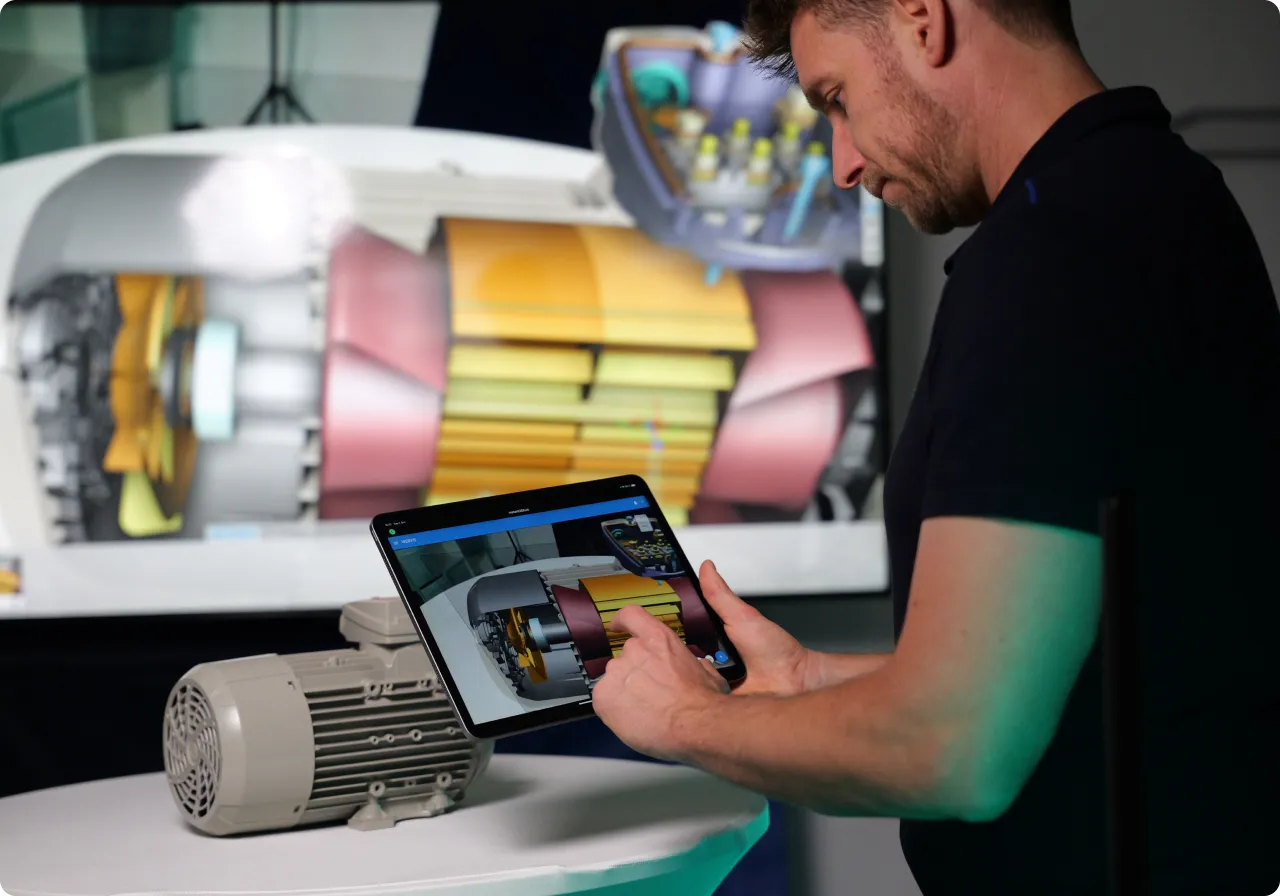
instant3Dhub links directly to your 3D data wherever it lives no file copies, no duplication, no version drift. Teams across organizations work from the same source, so everyone sees the same model at the same time.
Collaborate across company boundaries
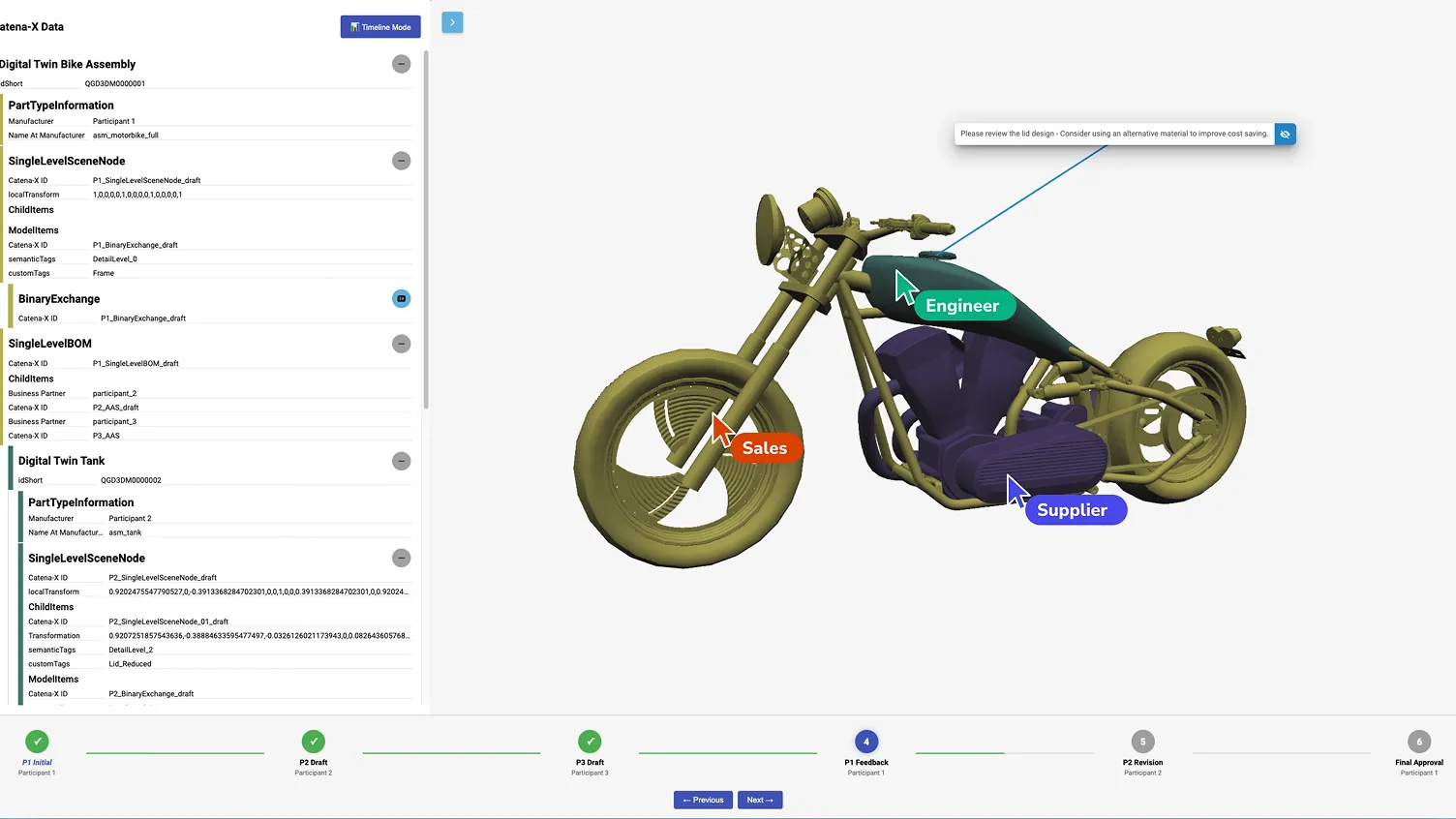
Share 3D data securely with suppliers, partners, and customers without sending files back and forth or exposing your full environment. Collaboration happens in real time, in the browser, with no heavy CAD setup required.
Keep full control over your data
You decide who accesses what, and you always keep ownership of your data. Decentralized by design, the data space lets you collaborate externally while governance, security, and IP stay firmly in your hands.
Built on open industry standards
instant3Dhub is built to fit decentralized data architectures and aligns with leading initiatives like Catena-X, Gaia-X, and International Data Spaces. As a Catena-X member and contributor to the 2025 Geometry KIT standard, Threedy helps shape where industrial data spaces are heading.


What You Can Do with a Data Space
- Share 3D data across organizations securely
- Collaborate without sending files
- Maintain control over data access
- Connect systems and partners seamlessly
Talk to an Expert About Data Spaces



Frequently Asked Questions
What is a Data Space in industrial contexts?
In industrial contexts, a data space is a decentralized framework that lets multiple organizations manufacturers, suppliers, and partners share and access data without giving up ownership or control. Instead of copying or transferring files, each participant keeps data in its own system and grants governed, direct access to others. Industrial data spaces are built on open standards such as Gaia-X, Catena-X, and the International Data Spaces (IDS) reference architecture, which define how trust, identity, and access are managed across company boundaries. In manufacturing and automotive supply chains, this enables secure collaboration on engineering and 3D data while each company retains sovereignty over its intellectual property.
How is this different from traditional file sharing?
Traditional file sharing works by copying and sending data you export a file, share it, and the recipient stores their own version. This creates duplicates, version drift, and security exposure, because you lose control the moment the file leaves your system. In a data space, the data stays in its source system and is accessed directly and in real time. There are no copies to manage, everyone works from the same up-to-date source, and the owner keeps continuous control over who can access what.
Can companies maintain control over their data?
Yes. In a data space, data ownership and access control always remain with the original owner. Because data is accessed directly rather than duplicated, companies decide exactly who can view or use each dataset and can revoke access at any time. This model known as data sovereignty lets organizations collaborate with external suppliers, partners, and customers while governance, security, and intellectual property stay firmly in their hands.
How does instant3Dhub fit into data spaces?
instant3Dhub acts as the connection layer for 3D data within a data space. It links directly to 3D and CAD data wherever it lives, so teams across organizations can view and collaborate on the same models in the browser with no file duplication, no version drift, and no heavy CAD installation. It's built for decentralized data architectures and aligns with leading initiatives including Catena-X, Gaia-X, and International Data Spaces. Threedy is a Catena-X member and a contributor to the 2025 Geometry KIT standard, which defines how 3D geometry is exchanged within industrial data spaces.
Who should use Data Spaces?
Industrial data spaces benefit any organization that needs to collaborate on shared data across company boundaries. This includes engineering teams working with external partners, suppliers and partners exchanging technical and 3D data, product teams coordinating across sites, and IT and system architects designing secure, interoperable infrastructure. Digital transformation leaders also use data spaces to connect siloed systems while keeping security and governance intact. They're especially valuable in manufacturing and automotive, where OEMs and their supply chains must share engineering and 3D data without exposing sensitive IP.